
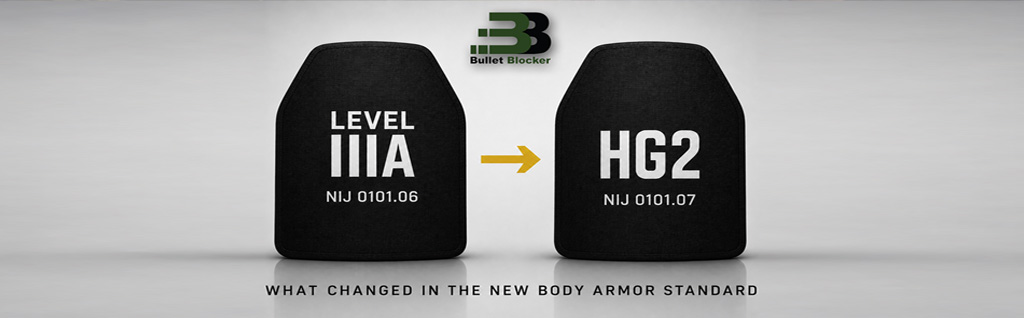
NIJ IIIA Is Now Called HG2 — But More Than the Name Changed
NIJ IIIA vs NIJ HG2: What Changed in the New Body Armor Standard
For years, NIJ Level IIIA has been one of the most recognized ratings for handgun-resistant body armor. Bulletproof Vests, Backpacks, Inserts, and other protective products have commonly used the Level IIIA designation to describe their ballistic protection.
With the introduction of NIJ Standard 0101.07, the National Institute of Justice updated its protection-level terminology. Under the new system, the protection level that corresponds to the former NIJ Level IIIA is now called NIJ HG2.
But the update involves more than changing IIIA to HG2. The new standard also introduces changes to testing procedures, laboratory practices, and how ballistic protection levels are organized.
What Is NIJ HG2?
The NIJ created a new naming system designed to make armor protection levels easier to understand.
Instead of relying primarily on Roman numerals, the new terminology identifies whether armor is designed around handgun or rifle threats:
- NIJ Level II becomes NIJ HG1
- NIJ Level IIIA becomes NIJ HG2
- NIJ Level III becomes NIJ RF1
- A new intermediate rifle level becomes NIJ RF2
- NIJ Level IV becomes NIJ RF3
The “HG” designation stands for handgun, while “RF” identifies protection levels associated with rifle threats.
Is NIJ HG2 the Same as Level IIIA?
HG2 Is the New Counterpart to Level IIIA
In the NIJ’s updated protection-level nomenclature, HG2 corresponds to the former Level IIIA protection level.
That does not mean, however, that a product tested under NIJ Standard 0101.06 can automatically be described as having been tested under NIJ Standard 0101.07.
The testing standard itself has changed. Armor tested to the previous standard should continue to identify the standard under which that testing was performed.
What Changed With NIJ Standard 0101.07?
NIJ Standard 0101.07 replaces NIJ Standard 0101.06 as the newest ballistic resistance standard for body armor.
Among the changes are:
- New HG and RF protection-level terminology
- Updated ballistic testing procedures
- Greater use of standardized ASTM laboratory test methods
- Additional testing requirements for soft armor
- Improved testing procedures for armor designed for women
These changes are intended to create more consistent testing and better reflect how modern body armor performs against defined ballistic threats.
New Testing Requirements for Soft Armor
One important update involves how soft armor is tested.
NIJ 0101.07 includes an additional shot near the top-center edge of soft armor panels at a 45-degree angle. This test is designed to evaluate armor performance in an area and at an angle that may be more challenging than a traditional straight-on impact.
The updated standard also includes refinements to testing curved armor and armor specifically shaped for female wearers.
Does Existing NIJ IIIA Armor Become Obsolete?
No. The introduction of HG2 does not suddenly make armor tested to NIJ 0101.06 Level IIIA obsolete.
The NIJ has specifically addressed the transition between standards and continues to maintain armor certified under the previous standard while manufacturers, agencies, and testing laboratories transition to NIJ 0101.07.
For consumers, the important distinction is understanding which NIJ standard a particular product was actually tested against.
How Bullet Blocker Describes NIJ IIIA Protection
Bullet Blocker Bulletproof Backpacks, Bulletproof Inserts, and protective products use NIJ Level IIIA handgun protection.
When a product has been tested under the previous NIJ standard, the clearest way to describe that protection is:
Tested to NIJ 0101.06 Level IIIA standards. Under NIJ 0101.07, Level IIIA corresponds to HG2 handgun protection.
This allows customers familiar with the traditional Level IIIA designation to understand how it relates to the NIJ’s newer HG2 terminology without suggesting that older testing was performed under the new standard.
Why the New HG2 Name Matters
The updated terminology should ultimately make choosing body armor easier.
Instead of remembering whether Level II, IIIA, III, or IV refers to handgun or rifle protection, consumers can quickly recognize:
- HG = Handgun protection
- RF = Rifle protection
As HG2 becomes more widely recognized, consumers will likely encounter both Level IIIA and HG2 terminology while comparing body armor.
Understanding the Transition From IIIA to HG2
The transition from NIJ IIIA to NIJ HG2 represents an important modernization of the body armor standard — but it does not erase the previous standard overnight.
For buyers, the most important thing is to look beyond the protection-level name and understand which NIJ standard was used for testing.
Level IIIA remains familiar terminology for handgun-resistant armor tested under NIJ 0101.06, while HG2 is the corresponding handgun protection level used with the newer NIJ standards.
As the industry transitions, clear labeling helps consumers understand exactly what type of ballistic protection they are purchasing.